Five Things I Learned From Visiting The Grand Canyon
March 22, 2017
Heidi Marie Sassin
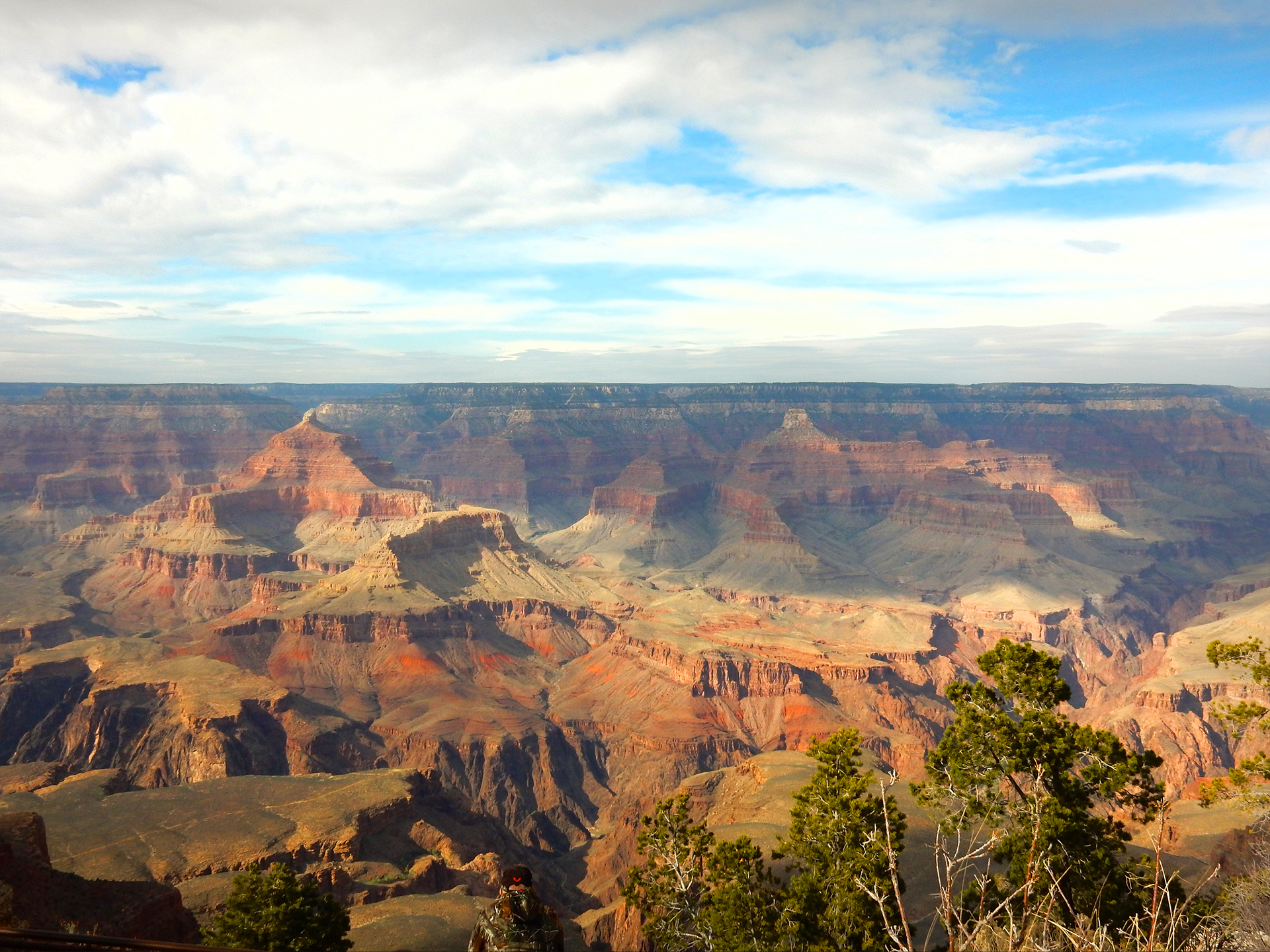
The Grand Canyon was one of my favorite trips ever. I am in love with being outdoors, and the Canyon changed everything about how I wanted to view and preserve nature. The attraction of this Natural Park draws people not just for its beauty, but also for its massive size, all made by the sheer force of water. A work of art created by Mother Nature – whose carving tools involved only a river, tectonics and a little help from Father Time.
Here are five things that I learned from visiting The Grand Canyon, and how visiting this beautiful place changed me forever.
The Scenic Drive
Phoenix to the Grand Canyon via Sedona was the most astonishingly beautiful road I have ever traveled. Driving out of Phoenix, toward the Grand Canyon, you will experience a variety of natural environments. We went from seeing thousands of cactuses stretching their crooked arms all through the desert, to driving over snow-covered mountains and through fir tree forests, all in the same day.
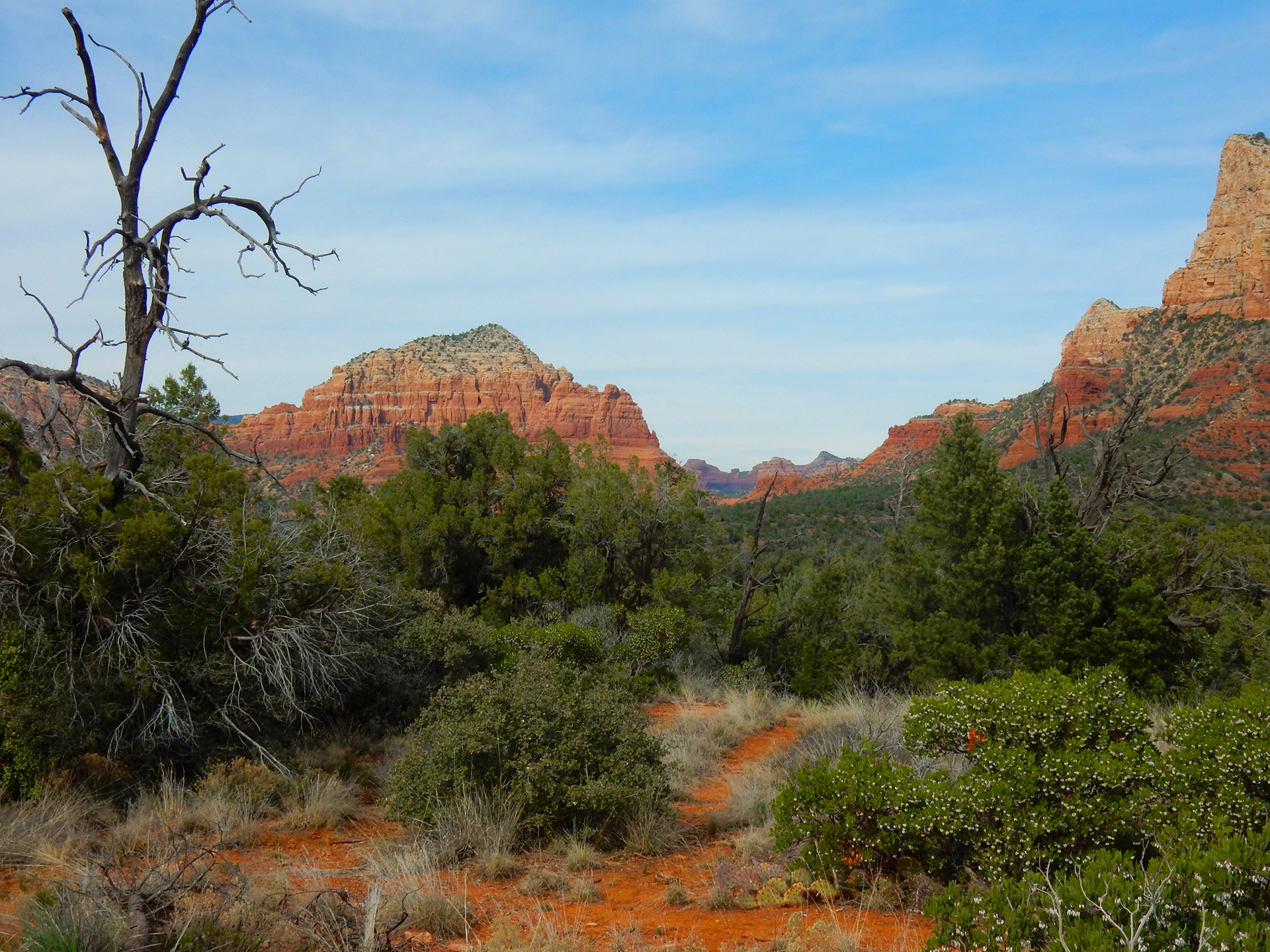
It takes about four hours to drive from Phoenix to the Grand Canyon, and there are not many options to get there except by car, tourist bus or a puddle jumper. We drove Highway 17 out of Phoenix, took a small detour off the highway at State Road 179, and drove from Sedona through Oak Creek Canyon. This added about an hour of driving time and another hour of exploring, but every extra minute was worth it. Uptown Sedona is fun and quirky, with its new-age boutique shops selling everything from dream catchers to healing crystals, healthy restaurants, and churches for every spiritual journey. However, it is the scenery of Sedona that is truly amazing. The fiery-red earth of the surrounding mountains reaches into the sky from the desert floor and set ablaze in the afternoon sun. Many people believe that this is the vortex of all spiritual connection to the Earth. I would definitely want to spend a lot more time here, and will plan a trip to focus on exploring the Sedona vortex. I also heard they have great wine, which I can always find a spiritual connection with.
After leaving Sedona we drove right into the scenic Oak Creek Canyon in the Coconino National Forest. Following along the crystal clear river, bursting with evergreens set against red rocks, we began the ascent up the steep canyon walls. Switchback after switchback, making hairpin turns at every corner, we inched our way up the canyon, until we reached the top of the rim. The picturesque forest was filled with green pine trees juxtaposed against blankets of white snow. After about an hour of climbing the canyon, we reconnected with the highway near Flagstaff. If you ever get a chance to drive through Arizona, the drive through Oak Creek and Sedona is worth turning off the highway to see. The scenery is stunning.

The Quickly Changing Weather
I grew up in New England, where the weather could be 30°F one day and 80°F the next, however the temperature swings at the Grand Canyon was much more intense than I am use to. It happened all in the span of less than three hours, so if you plan to visit the Canyon, and actually venture down into it, be prepared for really hot and really cold weather. The floor of the Canyon averages 20°F warmer than the rim, so if it is 60°F at the rim mid-day, the floor could be 80°F or warmer.
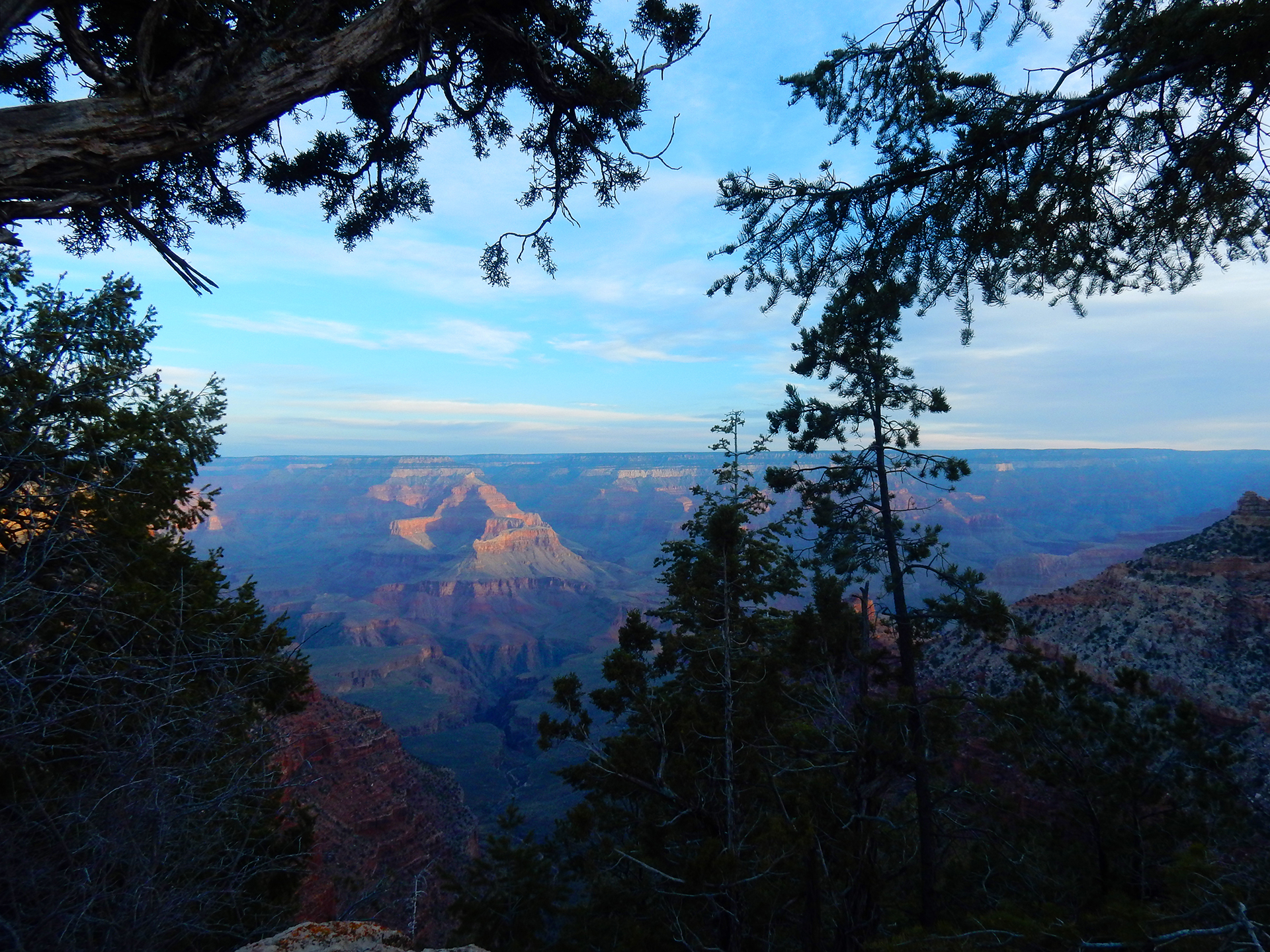
Our first experience with the Grand Canyon was a shockingly crisp, cold and stunningly beautiful morning. The sun was just beginning to rise and light up the shadows of the canyon floor. My first picture was at 7:20 a.m., and the temperature at the South Rim that morning was hovering just below 25°F. We had our gloves, hats, long underwear and jackets on – it was that cold. Some of the areas around the rim had ice and snow on them, however our trail that morning was clear. Be sure to always check the weather updates and trail conditions before venturing into this environment, so you have the right equipment.
As the sun made it’s way up into the morning sky, the temperature heated up quickly. By 10 a.m. It was so hot we had to change our clothes. We knew it would get warm that day, especially the further we ventured into the canyon, and were prepared with lighter clothes and left enough room in our packs to carry our warm gear out. We also brought 3 liters of water each, as the South Kaibab trail does not have any potable water sources, like the Bright Angel trail does. At the end of the climb back up, I was almost out of water. Never underestimate how much water you will drink. Especially when there are no water sources on your hike.
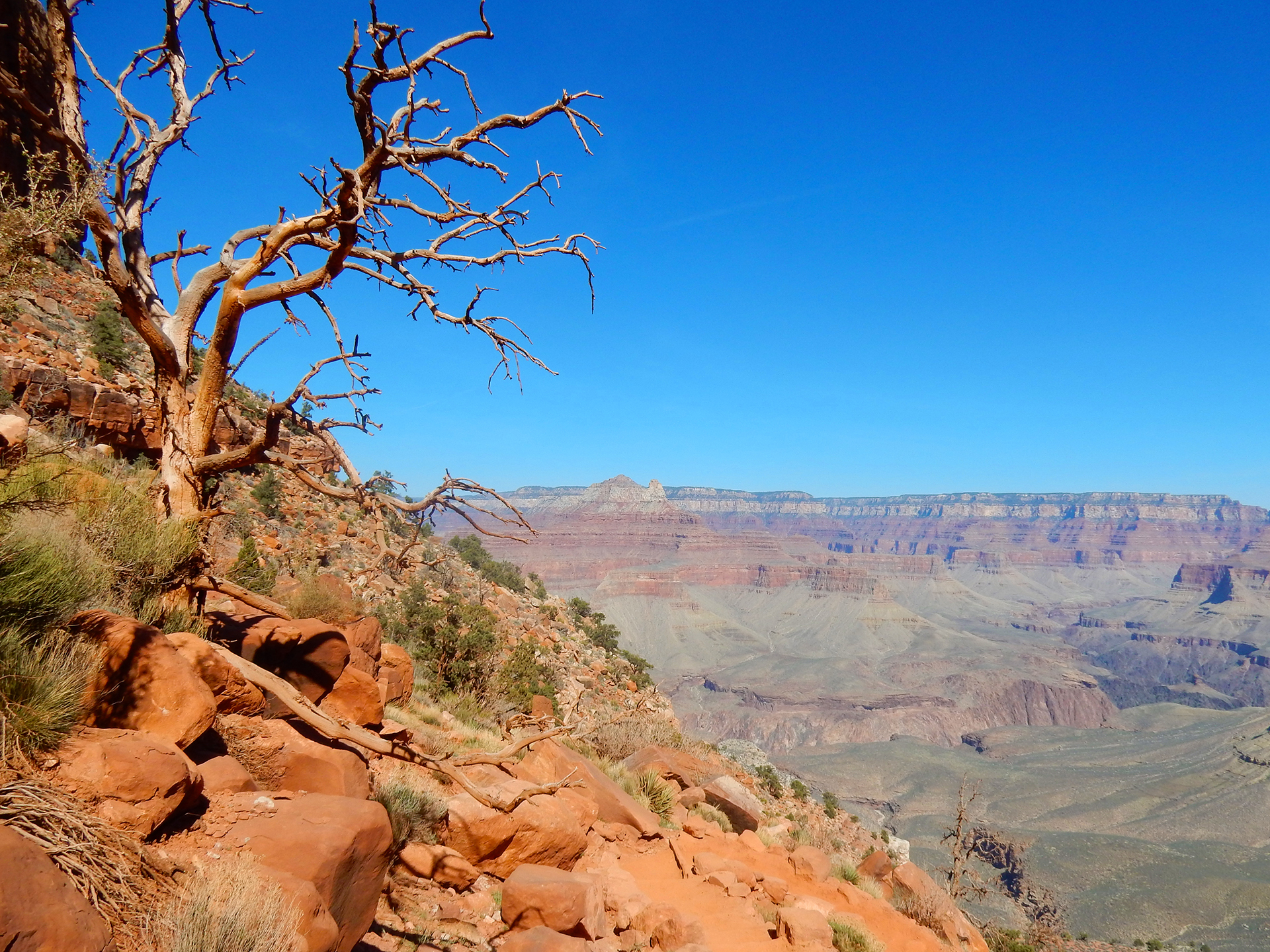
When we reached our turn-around spot just after 11 a.m., only 3.5 hours after we began, the temperature had soared above 90°F. There were no clouds that day, with beautiful clear blue skies, but it was brutally hot. One thing I did not have with me was a hat, and after this trip I bought one. The kids say I look like a zookeeper, but I will take my zookeeper hat with me next time for sure. There is very little shade on the trail, the only times we happened across any was when we passed by a single lonely tree, once every hour or so, or a rock wall jetting out in the trail that would create a small shady area, where you could hide from the sun for a few minutes.
The heat and sun were fierce. The dark mornings and evenings were cold. The rim was much cooler than inside the canyon, and on our second day, it was quite cloudy and cool most of the day. Be prepared and you can have a lot of fun here and make great memories.
Hiking Into the Canyon
Only 3% of the Canyon’s five million visitors every year venture below the rim. It is incredible to think that most people never get to see the true raw beauty of the Canyon. We saw a lot of tourist buses, driving people from one spot to the next, people would get out, take pictures, and then get on the next bus to drive to another spot only a quarter mile down the road. We climbed down into the canyon the first day and we hiked around a good portion of the South rim the second day, altogether completing almost 30 miles, and never once thought about getting on a bus. When we got back to Phoenix, we were tired, our legs hurt, but our minds were filled with the happiness of spending time in nature.
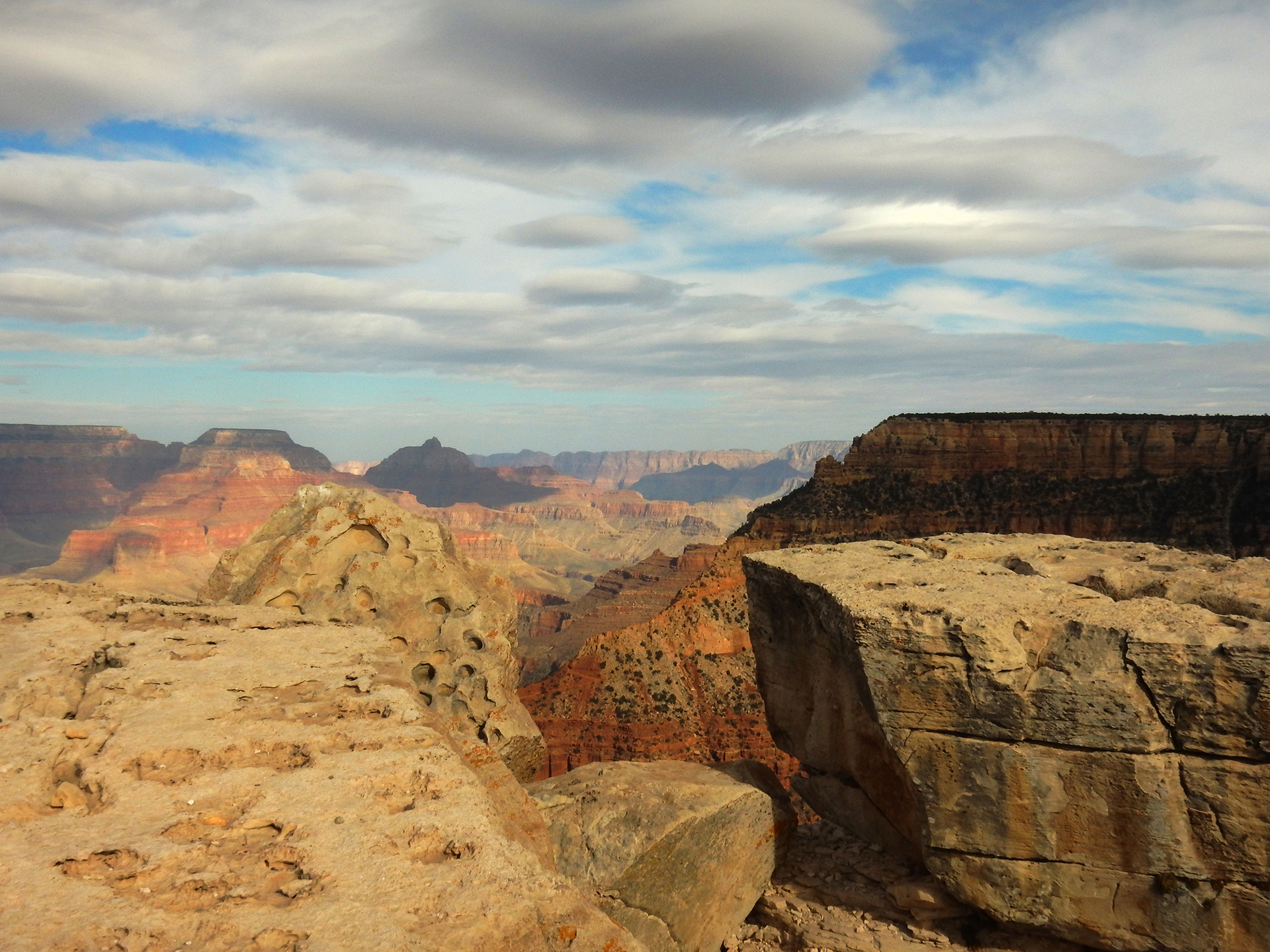
The overwhelming scale of the Grand Canyon will take your breath away, and while hiking down, make sure to take lots of photographs. The physical strength and fitness required to climb back out of the canyon makes it all but impossible to take pictures on your way back up, so be sure to get all your best photo-ops while going down. We had decided to hike down the South Kaibab trail – this trail is said to be the most strenuous hike on the south rim. We got there early in the morning, just after 7 a.m., and the rising sun gave us great shadows and light to work with all morning. We found parking along the road without any issues, as we were one of the first cars to arrive that morning.
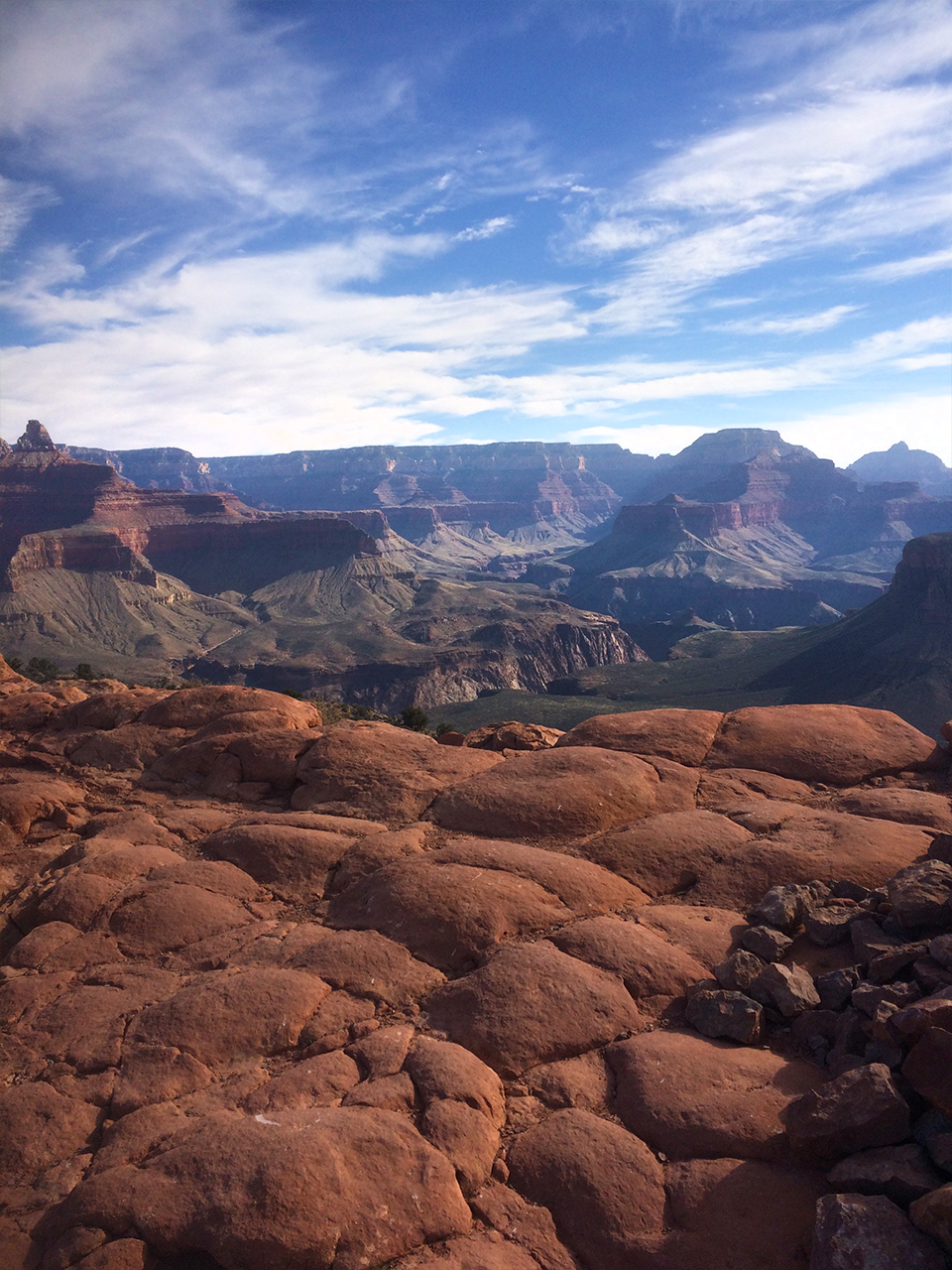
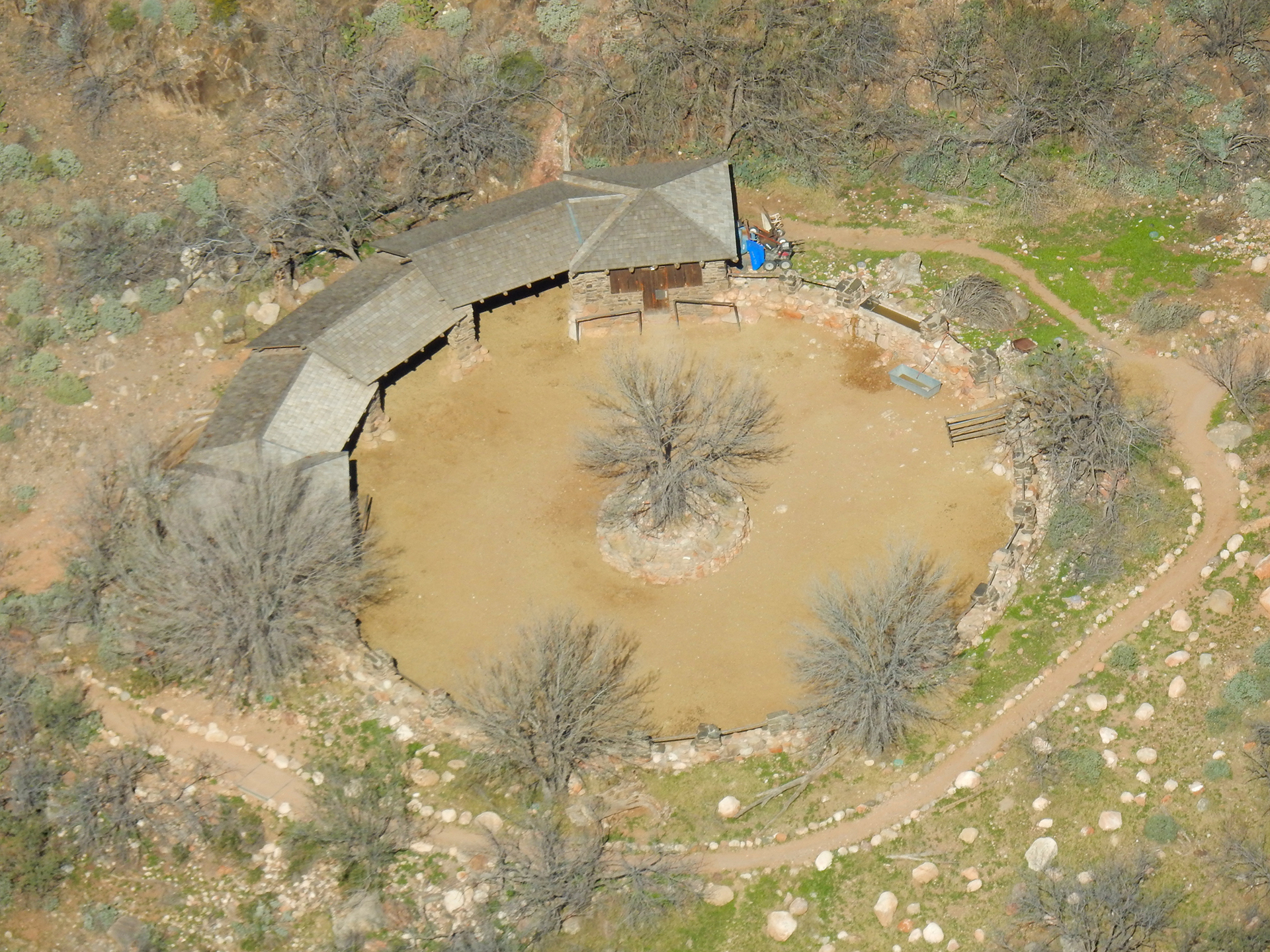
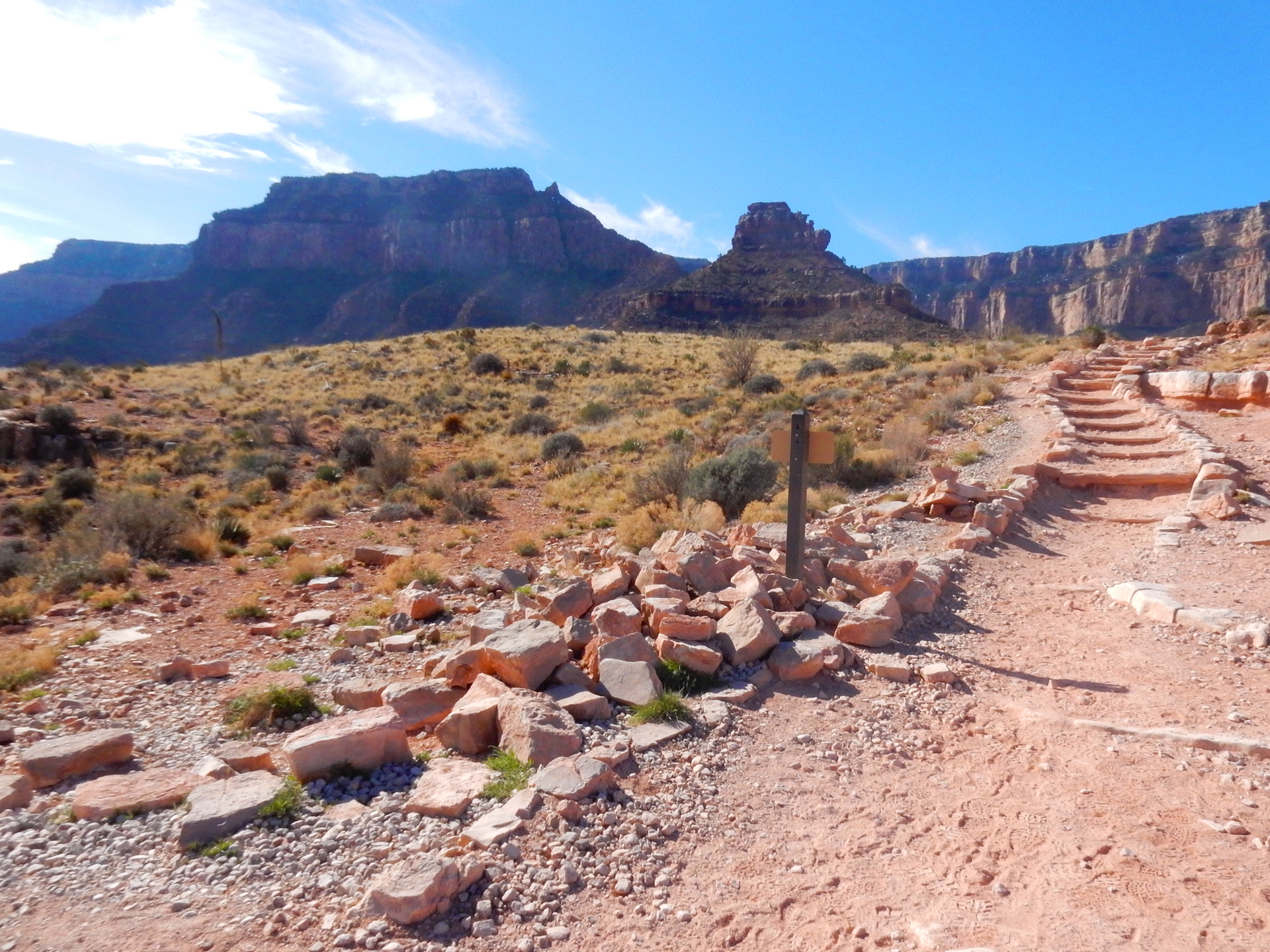
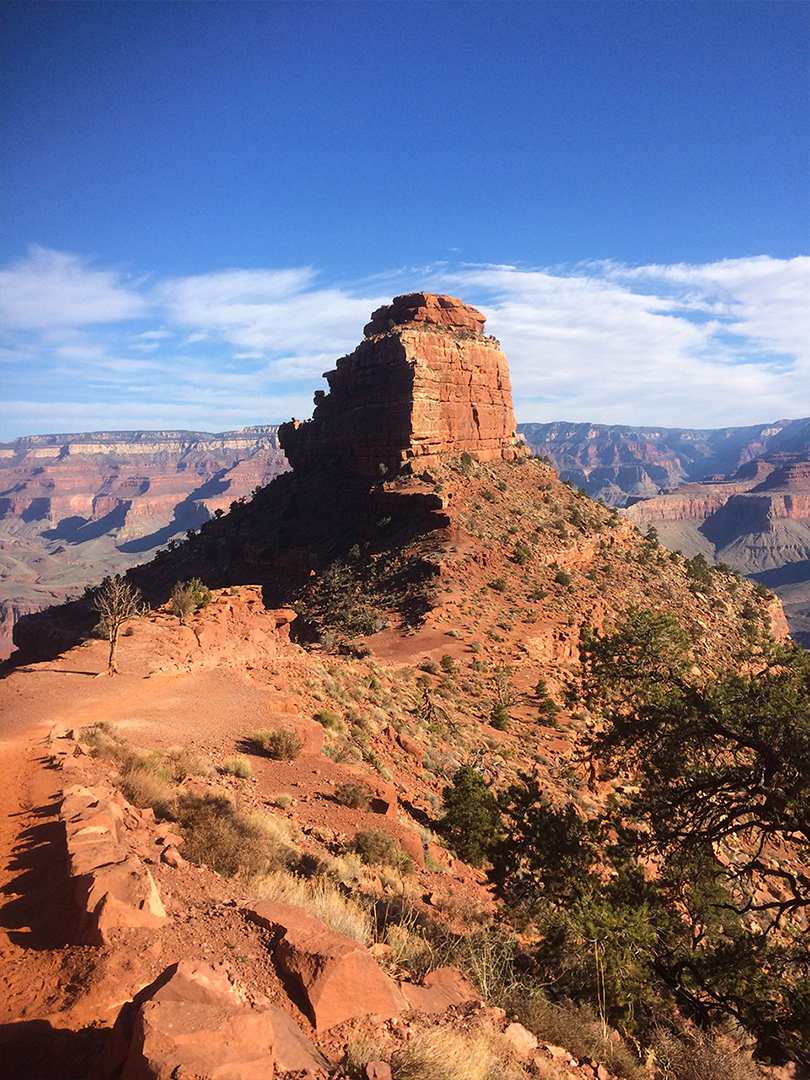
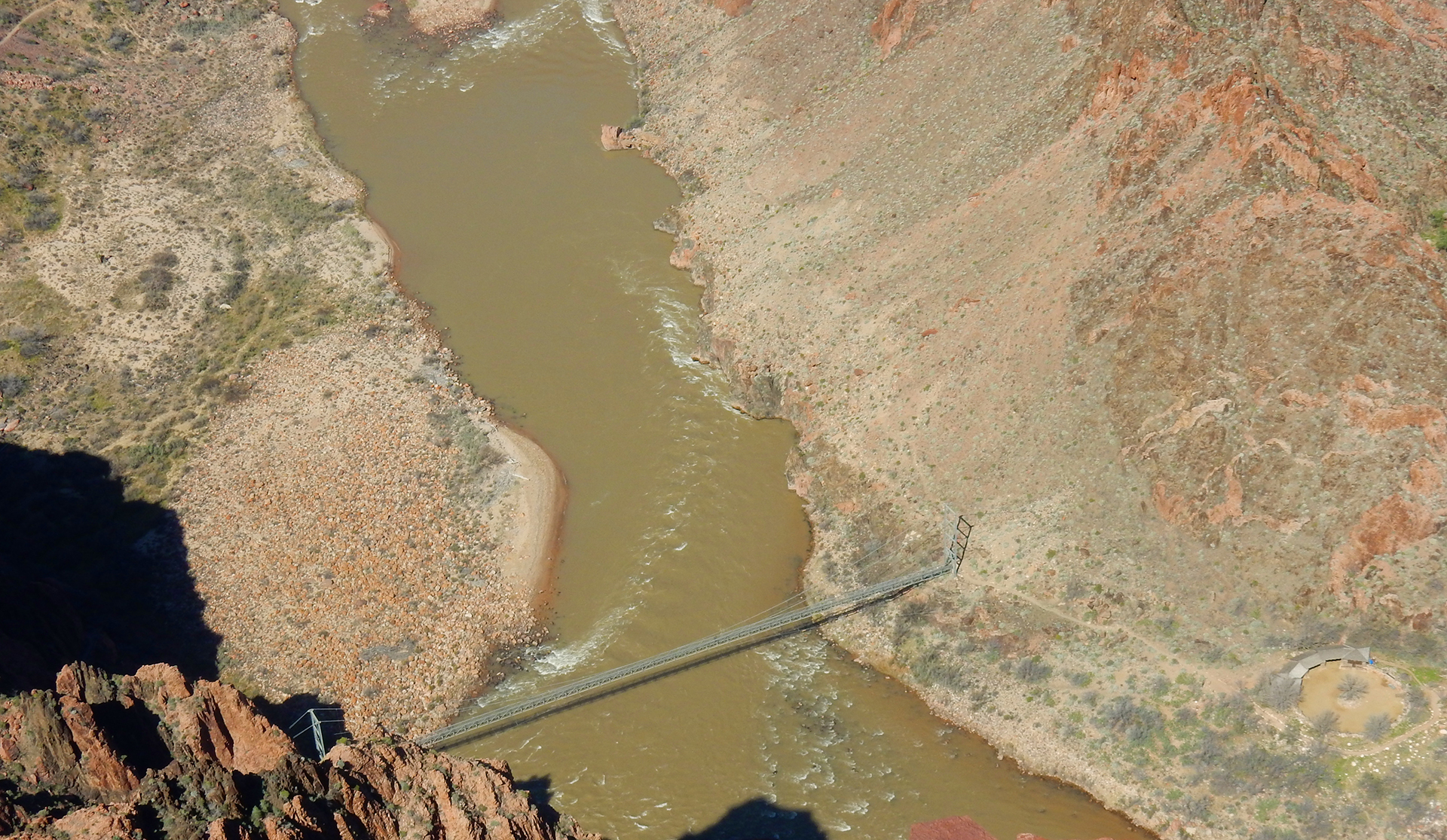
The South Kaibab trail starts out in steep switchbacks in a well defined trail, dug into the side of the canyon. The earth here displays many colors, browns and reds melted together at every turn. We were lucky that there was no ice on our trail that day; other trails were icy. We made down it to the Ooh Ahh Point very quickly, and it is an amazing site to see here. At this location, you can have a 360-degree view of the Canyon. The lookout point is a short distance from the trailhead, and was very busy when we were climbing back out of the canyon later that afternoon, but that morning we had the point all to ourselves. It was beautiful to see nature in such a stunning vista, however it can also be a very dangerous spot, always be careful and mindful of your surroundings. The Canyon is a wild place, and should be treated with respect. We made it about a mile from the bottom of the canyon and could see the muddy Colorado River raging below us, with a suspension bridge spanning the river and leading to the circle of the Phantom Ranch below.
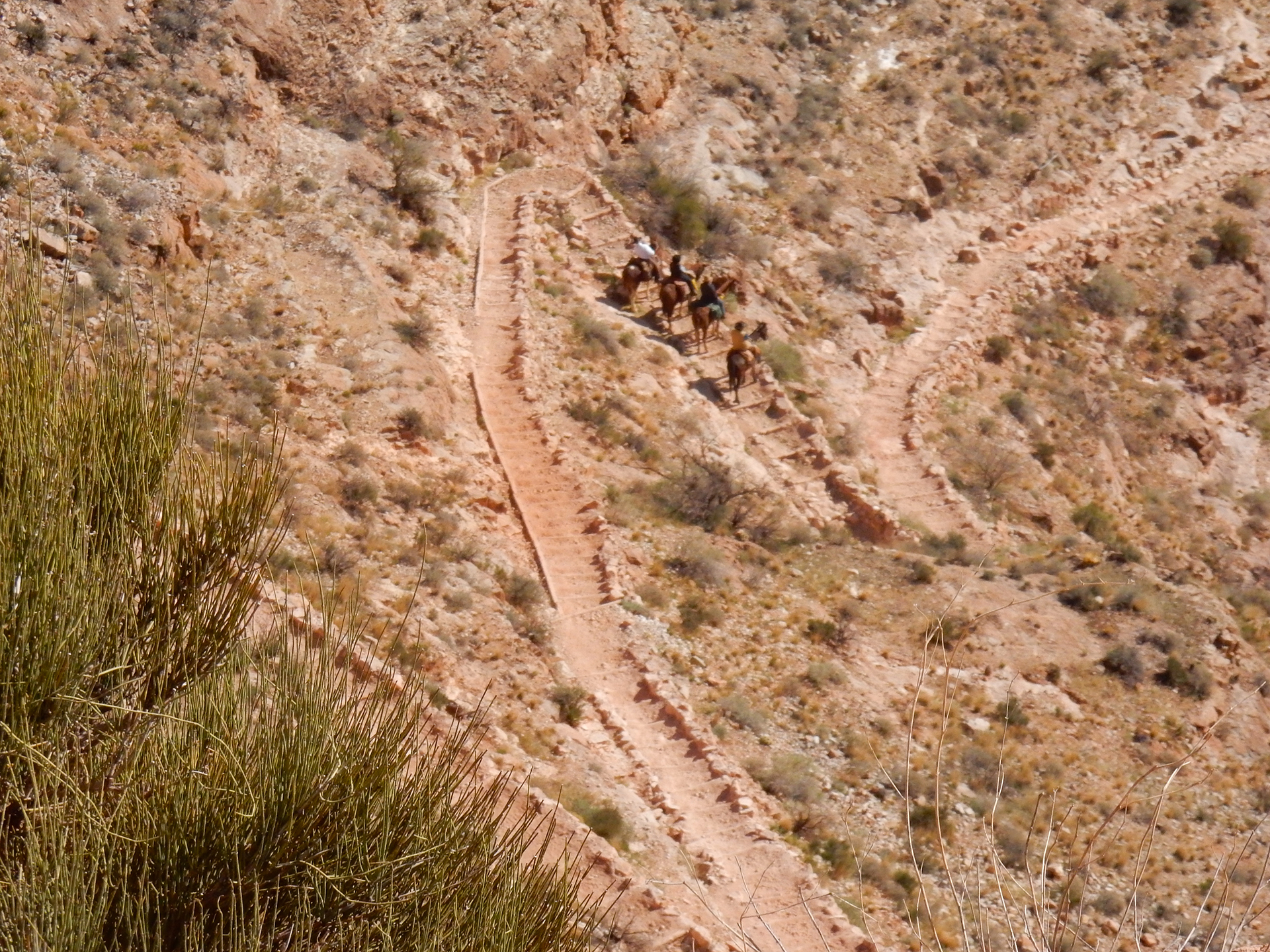
It was at this point, so close to the bottom of the canyon that we had planned to turn around and go back up, it was suppose to take another 6-7 hours to get back, which would put us at the top, hopefully, just in time for sunset. Everything we read had told us that it was impossible to make it down to the floor of the canyon and back up in one day, and that it would take twice as long to get back up, as it does to go down. I am slow climbing up mountains, but fast going down. I truly believed it would take us a long time to get out of the canyon. It ended up taking us only around 4 hours to climb up, a half hour more than what it took to hike down. I turned into a mountain goat that day. I am not sure why I was suddenly able to climb so well, perhaps because we climbed down first and I had built-up energy, or maybe it was because the altitude was different here. I am not sure why, but we were back to the top of the trail, with hours left to spare before sunset. It was a tough climb, the heat and sun made it much more difficult, but we still made it very quickly. We got a great spot at a sunset point, and had a relaxing afternoon rest on the side of the canyon.
Native Americans, Mining and Tourism
I learned a lot about the history of the Grand Canyon on our trip, and not the geological history that is most prominently on display, but the cultural and mining history and the impact that humans have had on the canyon, and continue to have. The canyon is home to several Native American tribes, including the Navajo, Havasupai, Hualapai, Paiute, Hopi and Zuni. The Grand Canyon is a sacred site to these tribes, and all visitors should respect their culture.
A contentious issue that has been brewing lately is The Confluence and the Grand Canyon Escalade. The Escalade is a proposed construction of a tramway that would shuttle up to 10,000 people a day to the floor of the canyon to visit the sacred site of the Navajo called The Confluence. This is where two rivers meet, one of them crystal blue waters of the Little Colorado, the other the raging muddy Colorado River. Currently no more than a handful of people a day hike down to the site. It is quite remote, and very important to the history of the tribes here. Building this Escalade would destroy the sacred site, and turn a beautiful piece of our earth into another amusement park. Destroying the sacred site is only one environmental issue at play here. There is no reasonable water source to supply the proposed hotels, and there is no way to remove waste from the site. As of now, the Navajo Nation has blocked all attempts at going forward with the project, but courts are still considering it.
The Canyon has also been an area that has been mined for uranium for since 1918. In 2005 the Navajo placed a moratorium on uranium mining, siting environmental and health concerns. The mining disregarded the health risks of radiation exposure and ground water contamination for decades. Mining companies are fighting to open the mines, once again, in and around the Grand Canyon. There are several areas of the canyon that are closed off due to radiation contamination.
Learning about the environmental and political problems that the park is having, I was shocked. I had no idea that our National Parks were under such an assault. I had always assumed that they were protected from these things, but unfortunately politics play a role in how our Parks are treated, sometimes with decades of health and environmental repercussions to follow. Our Parks are a treasure, and should be treated with respect. Not everything has to be a place to make money. I find I am most productive and happy after spending time in nature, and we should protect these areas from exploitation.
Backpacking in the Wilderness
I have always been a day-visitor to nature, with the stubborn mindset that I never wanted to sleep outside. I was happy to spend all day wandering around a forest, walking a beach, or climbing mountains, but when it came to sleeping in a tent, I wanted nothing to do with it; I wanted to sleep in a hotel. My boyfriend asked me several times how I felt about going backpacking, and I always told him that I had no interest in this, it would never-ever happen, I wanted a shower and a bed, thank you very much.
When we reached our turn around point at the Grand Canyon, I did not want to turn around. I felt alive here, and I wanted more. I had energy buzzing though my body that I never experienced with climbing a mountain. There was something about this canyon that filled me with a desire to stay. We were so close to the canyon floor, and yet we could not reach it because we did not have enough equipment, water or food to continue and chance getting stuck climbing back out after dark.
While we sat at The Tip-Off point, eating our lunch and watching the Colorado River rage below us, I told my boyfriend that the next time we visit here I wanted to backpack and sleep in the Canyon. He looked surprised at my quick about-face about backpacking and immediately began to plan our first backpacking trip after we returned home. I believe he was already planning it on the way out of the Canyon, he was so happy I changed my mind. Our first real multi-day backpacking trip turned out to be Yosemite National Park, and this proved to me that no matter how much you plan for or want something to work out in a certain way, nature always has another agenda. Backpacking turned out to be much more difficult than I could have ever imagined, but it did not deter me from wanting to do it again. Actually the difficulty made me appreciate life so much more, and I cannot wait for our next adventure.
The canyon made me realize there are some parts of nature that just cannot be reached in a day trip. Photographs do it no justice, you have to stand there and look over the earth here to truly experience the raw beauty and power created by a river. There are no words that can describe the feeling I had leaving the Canyon that day. The one morning we spent climbing down into this massive gorge, The Grand Canyon changed me forever.

Iceland was a land I will never forget, and will always come back to. I would like to visit again in the summer, when the midnight sun never sets and the northern lights will be impossible to see, but I know it will always be an enchanting land of elves, fairy tales and magical landscapes, no matter what season you visit.
A Place I Will Never Forget
Grand Canyon Photos
 Travel Blog | All Who Wanderlust